Botswana to Open Embassy in Oman, Deepening Economic and Investment Ties

Quidah is an online platform that connects investors with curated opportunities and expert insights on Africa’s emerging markets, while offering businesses promotional services, partnership facilitation, and market intelligence to attract capital and grow their operations.
Industries
Botswana will open an embassy in Oman and pursue a visa waiver to intensify cooperation across energy, mining, logistics, and food security, following high-level talks with the Oman Investment Authority.President Duma Boko announced that the move will strengthen rapidly expanding ties between the two countries. The statement came during his visit to the Oman Investment Authority (OIA), where he met with OIA President Abdulsalam bin Mohammed al Murshidi.
During the visit, OIA briefed the delegation on its investment strategy, portfolio mix, and priority sectors at home and abroad. OIA-affiliated companies outlined opportunities in clean energy, including wind, solar, and green hydrogen, as well as in mining, logistics, and food security.
Discussions also focused on how Botswana can draw on Oman’s experience in building and managing a sovereign wealth fund with robust governance and sustainable investment frameworks. President Boko emphasized that the trip aims to deepen cooperation across energy, mining, infrastructure, investment, and finance, building on a series of meetings since July that resulted in a memorandum of understanding now being implemented in selected sectors.
Boko confirmed that his government intends to open an embassy in Muscat in the near term and that talks are underway on a mutual visa-exemption agreement to ease travel for visitors and tourists. Murshidi called the visit a significant step toward expanding economic cooperation and highlighted joint initiatives in food security and energy.
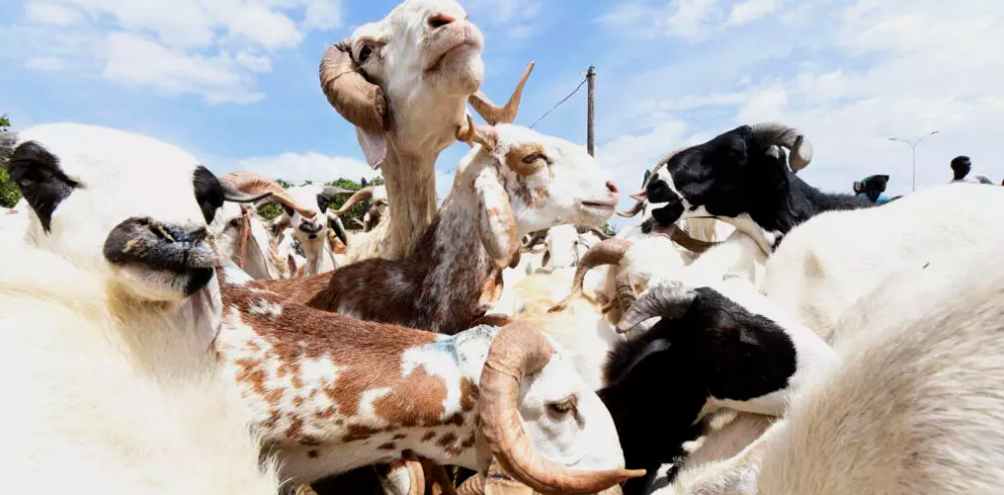
Officials discussed importing red meat from Botswana and exporting Omani seafood and fish products while exploring broader avenues for trade and investment.
The embassy opening and potential visa waiver reduce transaction costs and could accelerate deal flow, creating near-term openings in trade, logistics, and co-investments. Priority areas include green energy (solar EPC, wind components, green hydrogen supply chains), mining services and offtake agreements, and food security (Botswana red meat exports requiring halal certification, traceability, and cold-chain capacity; Omani seafood distribution into Southern Africa).
Knowledge transfer on sovereign wealth fund governance presents opportunities for advisory, asset management mandates, and blended-finance structures. Logistics operators can benefit from enhanced air and sea connectivity between Muscat and Southern Africa, while banks and fintechs can offer trade finance, FX, and compliance solutions.
Key risks include sanitary and phytosanitary standards, certification timelines, cross-border logistics costs, FX volatility, and regulatory alignment. Mitigating measures involve local partnerships, phased pilots, and standards-based quality control.