Quidah is an online platform that connects investors with curated opportunities and expert insights on Africa’s emerging markets, while offering businesses promotional services, partnership facilitation, and market intelligence to attract capital and grow their operations.
Fintech is increasingly functioning as an infrastructure layer rather than just a payments tool, because it helps move money, credit, and data to sectors that need them most. In healthcare, mobile lending can support SMEs that provide essential services such as malaria treatment, vaccines, and antenatal care, especially where traditional banks require collateral that small providers do not have.
This matters because many health services in Sub-Saharan Africa are delivered privately. When clinics and pharmacies can access revenue-based repayment or short-term working capital, they are better able to stock medicines, pay staff, and serve patients without waiting for slow reimbursements or expensive loans. That makes fintech a direct enabler of access to care, not just a convenience for transactions.
The public-health stakes are high. Out-of-pocket spending still pushes millions of people into hardship, and the financial strain can deepen poverty when families delay treatment or borrow at high cost to pay for care. By lowering the cash-flow pressure on providers, fintech can indirectly reduce the burden on patients and improve continuity of essential health services.
In education, digital finance is also helping schools manage one of their biggest operational headaches: fee collection and cash flow. Platforms such as SchoolPay can streamline school payments, offer micro-loans, and provide financial insights that help administrators plan better, which is especially useful for institutions serving free-education or low-income communities. That kind of support helps schools stay open, pay suppliers on time, and avoid disruptions to learning.
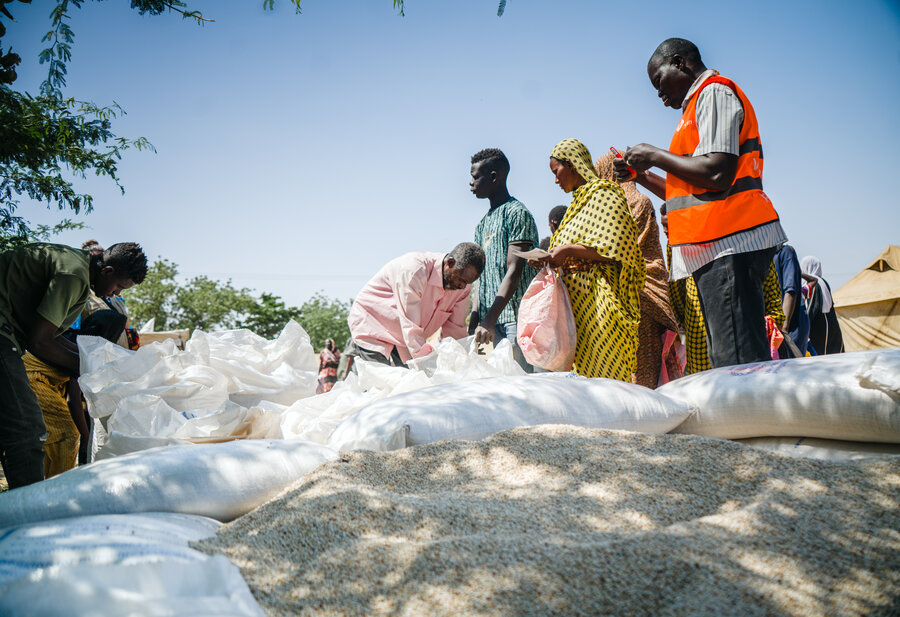
Agriculture is another sector where fintech can have outsized impact because it supports both resilience and productivity. Smallholders often face climate shocks, price volatility, and limited access to formal credit, so tools that provide weather data, market information, input financing, or tractor leasing can improve decision-making and reduce risk. Given that agriculture remains a major share of GDP in many African economies, even modest efficiency gains can have broad economic effects.
The agtech opportunity is also large, with the market often described as exceeding $2 billion in potential. That is not just a technology story; it is a response to food insecurity, supply-chain fragility, and the need for more dependable financing across the rural economy. When farmers can access timely credit and information, they are more likely to invest in inputs, protect yields, and recover after shocks.
More broadly, private-sector solutions have often outperformed slower public systems in areas like agricultural growth and service delivery. After 2000, some of the fastest agri GDP growth has come where private investment, digital tools, and market-linked finance improved access to capital and logistics. Fintech matters here because it helps convert crisis response into a more durable economic infrastructure, linking finance to health, education, and food systems in one framework.