Morocco's OCP Emerges as World's Most Strategic Fertilizer Producer Amid Global Crisis

Quidah is an online platform that connects investors with curated opportunities and expert insights on Africa’s emerging markets, while offering businesses promotional services, partnership facilitation, and market intelligence to attract capital and grow their operations.
Industries
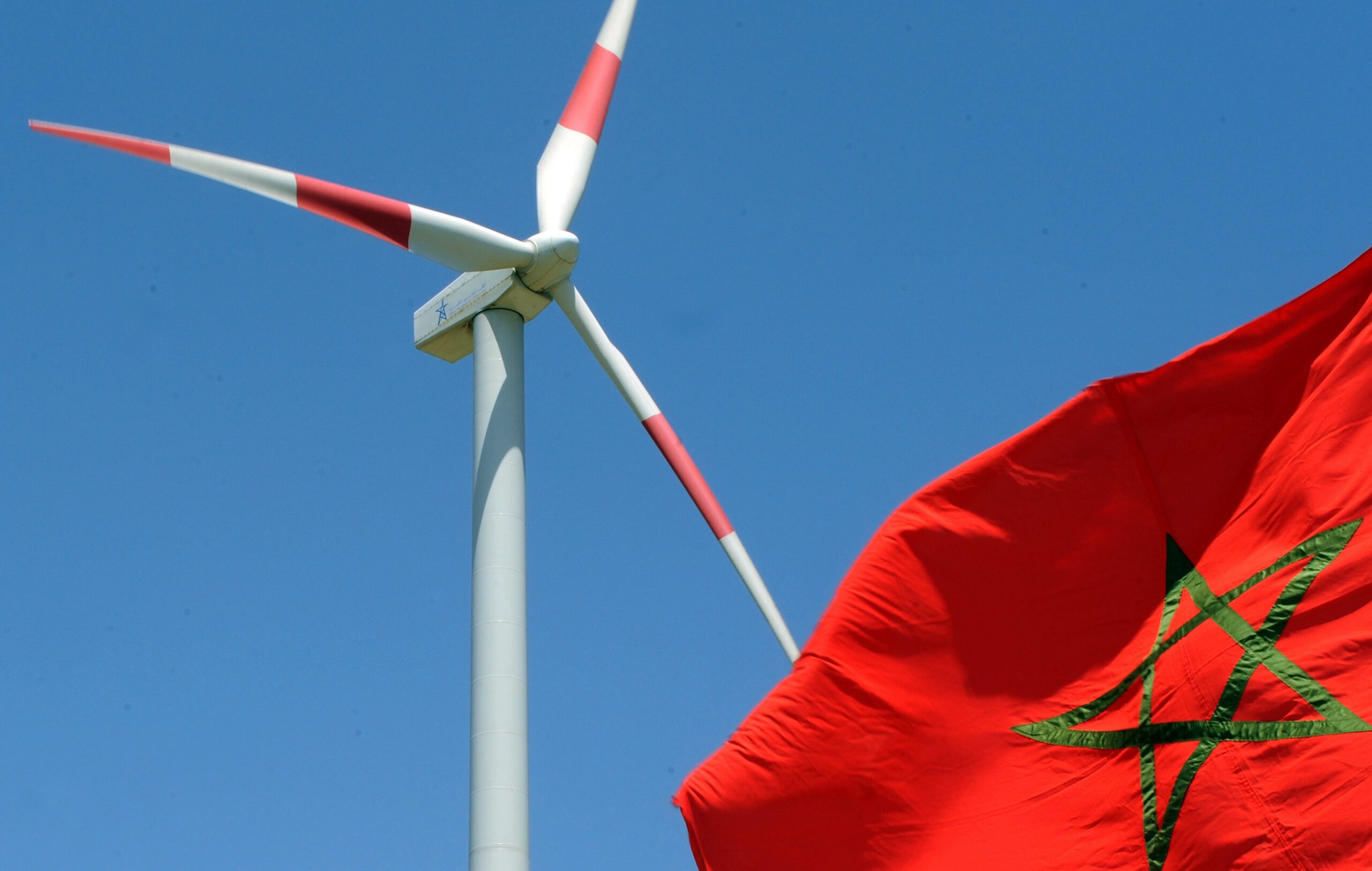
Iran's blockade of the Strait of Hormuz has triggered a global fertilizer crisis, and the biggest stress test of Morocco's fifteen-year strategy may also be its clearest vindication. In early April, the company sitting on the world's largest phosphate reserves brought forward by six months a maintenance programme scheduled for Q4, pulling 30% of fertilizer output offline as the Hormuz crisis began to bite.
Two months on, with Morocco's OCP returning to full capacity, the rescheduling looks anything but coincidental. Iran's blockade has removed nearly a third of the world's fertilizer supply from international markets, with sulphur trading at roughly six times its pre-crisis level and the World Bank projecting fertilizer prices will rise by more than 30% this year.
Around half of seaborne sulphur and a third of ammonia traditionally transit Hormuz, and Saudi Ma'aden and Qatari producers are running at reduced capacity. Yet OCP — which controls about 69% of the world's known phosphate reserves according to the U.S. Geological Survey , is emerging stronger from the crisis.
What looks like fortune is the result of strategy. In 2010, King Mohammed VI made African food security a pillar of Moroccan diplomacy ,more than a decade before Western institutions caught up. The years that followed saw OCP methodically decouple its operations from the external constraints that still weigh on every other phosphate producer.
In a water-stressed country, the Group now desalinates 320 million cubic metres of seawater a year, feeding its largest mine and a quarter of Casablanca South's drinking supply through a 203-kilometre pipeline. Its Khouribga site, the world's largest phosphate mine, has run entirely on renewables since December 2025, while Mohammed VI Polytechnic University produces fertilizers with cadmium levels three times below EU limits.
The Group used the maintenance window to accelerate its pivot toward triple superphosphate (TSP), a product less sulphur-intensive and exempted from the EU's Carbon Border Adjustment Mechanism. TSP will account for more than half of 2026 output, up from 30% last year, with sulphur stocks locked in before the spike through July 2026.
For a continent that buys 42% of its phosphate fertilizers from Morocco and must feed 2.5 billion people by 2050, OCP's stability is no longer commercial, it is strategic. Where others see Africa as a market, Rabat spent fifteen years building a south-south industrial partnership that the World Bank now identifies as central to global food security.