Top 10 African startups to watch as local investment takes over

Quidah is an online platform that connects investors with curated opportunities and expert insights on Africa’s emerging markets, while offering businesses promotional services, partnership facilitation, and market intelligence to attract capital and grow their operations.
Industries
African startups are increasingly attracting attention as local investors step in to fill funding gaps left by a slowdown in foreign venture capital. In recent times, rising insecurity and harsh economic conditions have caused a decline in global investment across various African countries.
Rising insecurity and tough economic conditions have reduced global investment in many African countries, but local startups are stepping in to address infrastructure gaps. Twenty-five privately owned African startups are leveraging local resources and funding to solve problems in sectors like healthcare, security, finance, and logistics.
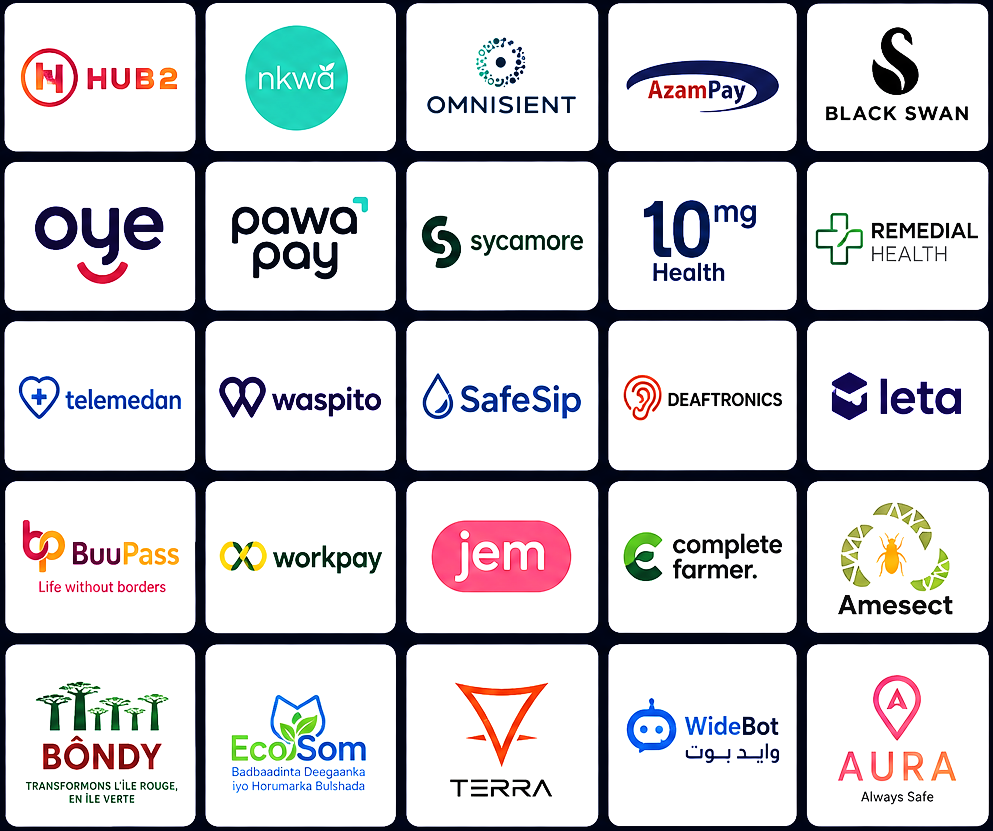
Notable examples include Terra Industries in Nigeria building security drones, Black Swan in Tanzania providing alternative credit scores, and 10mg Health in Nigeria financing clinics. These companies represent the diversity of innovation across the continent.
Other standout companies like Remedial Health, Hub2, and WorkPay are fixing issues in medicine supply, digital payments, and payroll management, respectively. To counteract the impact of these declines, notable local startups are rising to the challenge and creating practical solutions for endemic infrastructure gaps, such as weak healthcare systems, security issues, and a lack of traditional banks.
By harnessing the continent's widely available human resources and combining them with local funding, these 25 companies are tackling real-world problems and creating lasting solutions across several African countries. Every business highlighted here is privately owned and steps in where public infrastructure falls short.
Terra Industries (Nigeria) builds specialized drones and surveillance systems to help combat rising security issues across West Africa, recently raising $34 million from private investors to expand manufacturing into Ghana. Black Swan (Tanzania) uses AI software called Manka to build alternative credit scores from everyday data like phone bills and mobile money transactions, allowing banks to approve loans in minutes instead of weeks.
10mg Health (Nigeria) uses data to check the financial health of clinics and pharmacies, quickly matching them with local lenders for cash flow. Hub2 (Ivory Coast) links different mobile money wallets and bank accounts through a single software system, making regional B2B payments seamless across French-speaking West Africa.
Remedial Health (Nigeria) provides an online storefront where over 14,000 pharmacies can buy verified medications in bulk, addressing counterfeit medicine which contributes to 500,000 deaths annually in sub-Saharan Africa. Omnisient (South Africa) has helped over 3 million South Africans enter the formal financial system by building credit profiles for unbanked people.
Sycamore (Nigeria) offers fast digital loans to small businesses ignored by traditional banks, expanding to serve the African diaspora in the UK. Nkwa (Cameroon) is a micro-savings mobile app for cash-reliant economies, helping informal workforce workers save through digital piggy banks.
PawaPay (Pan-African) bundles dozens of different mobile money companies into one payment gateway for international businesses. WorkPay (Kenya) offers a cloud platform automating HR, tax compliance, and salary payments to employee phone wallets across different countries.