Zambia Forgoes $200 Million in Revenue With Fuel Tax Suspension

Quidah is an online platform that connects investors with curated opportunities and expert insights on Africa’s emerging markets, while offering businesses promotional services, partnership facilitation, and market intelligence to attract capital and grow their operations.
Industries
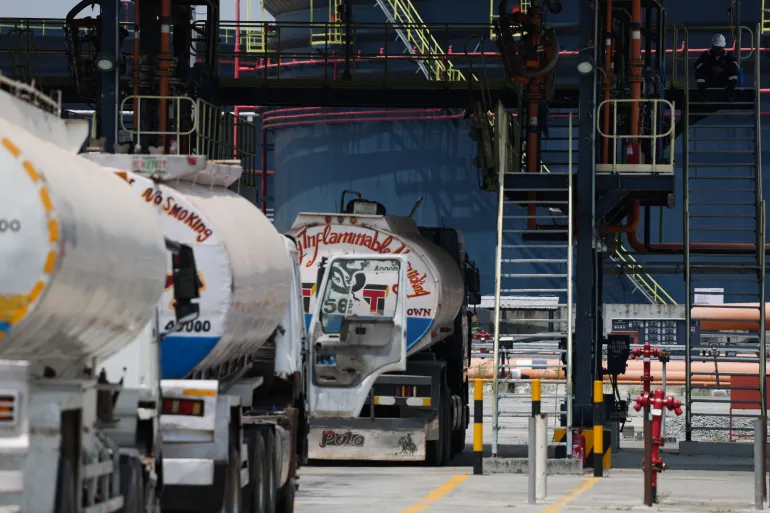
Zambia will lose about $200 million in revenue by suspending some fuel taxes to cushion the impact of the Iran war on households and businesses, Finance Minister Situmbeko Musokotwane said on Tuesday. The government last month approved the zero-rating of VAT and suspended excise duty on petrol and diesel imports for three months starting April 1.
Speaking at the IMF-World Bank Spring Meetings in Washington, Musokotwane said the most immediate risk facing many African economies over the next 12 months was a possible energy crisis arising from the conflict in the Middle East. He said the war could intensify inflationary pressures, raise production costs and strain already tight fiscal positions across the continent.
Musokotwane added that while support from institutions such as the IMF would be welcome, African governments must also pursue domestic reforms to improve resilience and strengthen the quality of public spending. Zambia is one of many African countries being hit by surging global energy costs, making the trade-off between relief and revenue more difficult.
The measure shows how quickly imported fuel shocks are feeding into African fiscal policy, with governments trying to protect consumers while absorbing budget losses. The Reuters graphic also shows that borrowing costs increased across creditor groups and that blend countries faced some of the steepest rises, underscoring how expensive external financing has become.