Quidah is an online platform that connects investors with curated opportunities and expert insights on Africa’s emerging markets, while offering businesses promotional services, partnership facilitation, and market intelligence to attract capital and grow their operations.
Industries
Namibia’s central bank held its key rate at 6.50% on Wednesday, extending a pause for a third straight meeting as policymakers weighed the fallout from the Iran war. The Bank of Namibia said the outlook for growth and inflation had worsened due to spillover effects from the conflict.
Annual inflation slowed to 2.1% in March, its lowest level since 2020, but the central bank expects price pressure to rise in the coming months. Governor Ebson Uanguta said risks to the inflation outlook remain tilted to the upside because of administered prices, exchange-rate volatility and the prolonged war in the Middle East.
The government has already moved to soften the impact of higher global energy costs by cutting fuel levies by 50% for at least three months through the end of June. The measure is meant to shield consumers from the jump in fuel prices linked to the conflict.
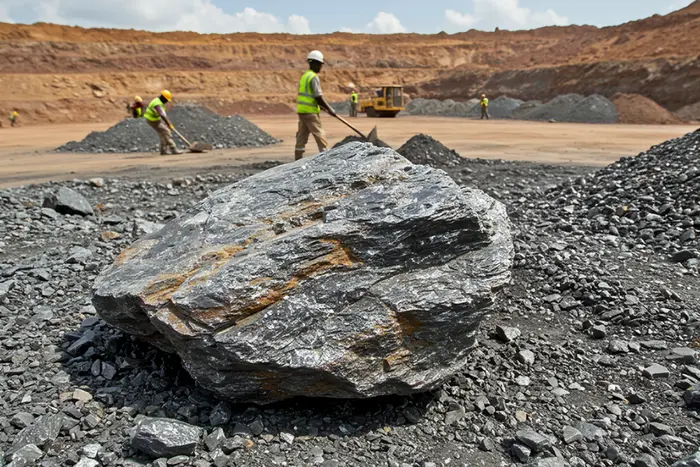
The central bank also lowered its growth forecasts earlier this month, citing weaker-than-expected performance in primary industries, especially metals and diamond mining. That adds to pressure on an economy that is closely tied to South Africa through its currency peg and policy alignment.
Namibia’s rate decision typically tracks South Africa’s monetary stance because the Namibian dollar is pegged one-to-one to the rand. South Africa’s central bank also held its key rate steady at 6.75% at its previous meeting.